
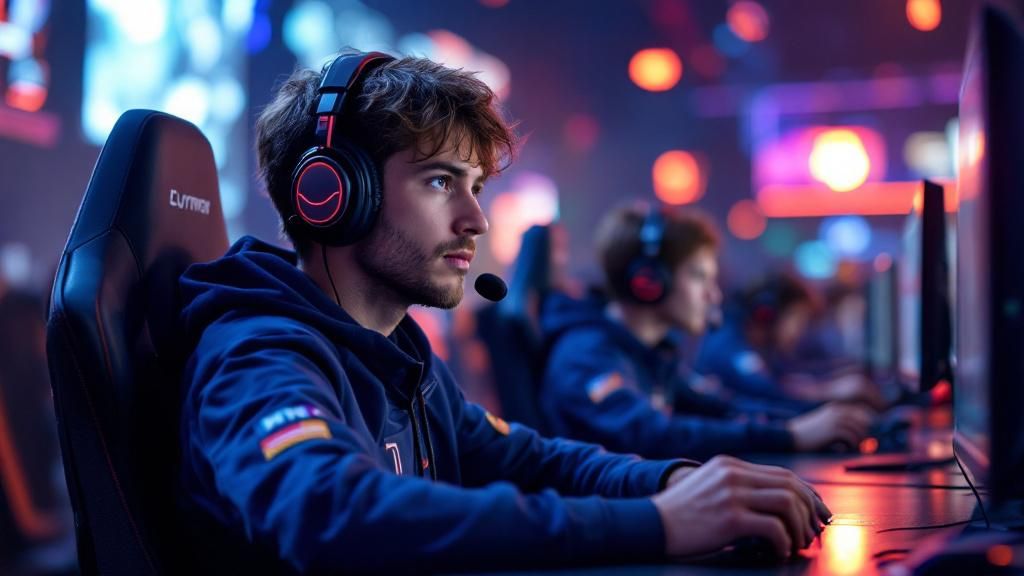
The esports industry has made considerable progress in prioritising competitor wellbeing. Major tournament organisers have together launched a detailed player protection standards framework, confronting persistent issues about mental health, working conditions, and fair treatment within the professional gaming sector. This significant undertaking marks a pivotal moment for esports legitimacy, creating minimum standards that could transform how the industry operates. We explore the framework’s key provisions, the bodies spearheading this shift, and what it means for competitors and the esports ecosystem moving forward.
Comprehensive Industry Pledge to Player Health
The collaborative effort between major esports companies marks a significant milestone for competitor welfare within competitive gaming. This integrated system demonstrates the industry’s genuine commitment to establishing sustainable standards that emphasise player health alongside sporting achievement. By sharing assets and experience, these organisations have created comprehensive guidelines addressing bodily fitness, mental wellness, and occupational safety. The programme demonstrates increasing awareness that athlete wellbeing significantly affects performance quality and professional lifespan, making it essential for the industry’s standing and expansion.
Tournament operators have acknowledged that previous standards were scattered and uneven, exposing competitors to exploitation and burnout. The revised structure creates uniform requirements throughout leading tournaments, making certain each professional player obtains equal support and connection to crucial welfare resources. This integrated system eradicates unequal conditions resulting from differing safeguards and creates equal opportunities. Industry figures stress that these standards form essential foundations, urging bodies to go beyond minimum standards and foster genuinely supportive environments where competitors can excel in career and personal development.
Essential Elements of the Welfare System
The newly established welfare framework consists of various interrelated pillars designed to protect player interests completely. These provisions tackle psychological wellbeing support, physical fitness, reasonable working standards, and clear dispute handling procedures. By bringing these provisions together, tournament operators strive to develop a comprehensive strategy that recognises esports athletes as competitive professionals entitled to robust protections. The framework establishes essential standards that all participating tournaments are required to adopt, ensuring uniform player protections across the professional gaming environment.
Mental Wellness Care Services
Recognising the psychological pressures inherent in esports at a professional level, the framework mandates access to qualified psychologists for all players competing. Tournament operators are required to provide confidential therapy services, either directly or through partnerships with accredited mental health professionals. This provision covers managing stress, support for performance-related anxiety, and emergency intervention services. Players gain access to trained psychologists who are familiar with esports-specific pressures, encompassing online abuse, high-level competitive stress, and uncertain career prospects.
The framework further requires tournaments to introduce psychological awareness schemes and destigmatisation initiatives within the community. Organisers must train players, coaches, and staff about spotting psychological difficulties and utilising appropriate support. Periodic reviews and wellbeing tracking mechanisms help identify struggling players at an early stage, enabling preventative measures before situations develop into critical psychological situations.
Physical Wellness Requirements
Tournament organisers must implement comprehensive physical health standards covering ergonomics, break times, and healthcare monitoring. The framework requires appropriate chairs, screen placement, and downtime to prevent repetitive strain injuries common among esports professionals. Medical staff must be present at major tournaments to manage acute health issues, whilst organisers are mandated to give advice about injury avoidance and suitable medical facilities for long-term player development.
Environmental factors at tournament venues are now governed by strict requirements maintaining player comfort and safety. Regulations cover temperature control, lighting standards, and noise levels to establish optimal performance conditions. Additionally, the framework promotes players to complete regular health assessments and offers guidance on nutrition, sleep hygiene, and exercise routines crucial for sustained competitive excellence in esports.
- Workplace gear evaluations conducted by qualified specialists
- Required breaks during competitions reducing athlete fatigue
- Medical personnel on location available during all competitive events
- Injury prevention training and recovery programme access
- Wellness tracking systems monitoring player wellbeing across the year
Rollout Schedule and Requirements
The framework will be rolled out in three separate phases, commencing immediately with foundational reviews across participating organisations. Tournament operators have committed to completing initial audits of their existing operations by the end of the first quarter, identifying gaps between present frameworks and the updated requirements. This foundational phase ensures a detailed evaluation of each organisation’s baseline position before implementing substantive changes. Later stages will include staff training, guideline amendments, and the creation of autonomous monitoring systems to ensure adherence and accountability throughout the esports ecosystem.
The standards themselves cover mandatory provisions addressing mental health support, reasonable practice schedules, and open reward distribution systems. Each organisation should establish a specialist player welfare representative responsible for addressing grievances and maintaining compliance with guidelines. Routine inspections, performed by third-party bodies, will assess conformity and identify areas requiring improvement. These thorough safeguards establish measurable benchmarks for competitor welfare, with enforcement mechanisms including financial penalties and possible competition restrictions for organisations unable to meet required standards.
Sector Response and Future Perspective
The announcement has attracted strong backing from key figures within the professional esports landscape. Player unions have praised the structure as a crucial development towards professionalising the industry, whilst team owners and financial backers acknowledge the prospects of enhanced credibility and sustainability. Equipment suppliers and content distribution networks have undertaken to incorporate player welfare into their day-to-day activities, reflecting a collective commitment to structural reform. Preliminary evidence indicate that oversight organisations and government officials perceive the guidelines favourably, conceivably facilitating formal legal recognition of esports as a recognised professional industry.
Looking ahead, industry observers anticipate that this framework will function as a template for worldwide implementation, with regional tournaments and smaller competitions set to adopt similar guidelines. The programme is likely to inspire ongoing discussion regarding athlete remuneration, career development pathways, and mental health resources. As esports continues its meteoric growth, these welfare standards represent a crucial safeguard ensuring that competitive gaming stays sustainable, inclusive, and respectful for all participants, ultimately strengthening the industry’s position as a genuine professional discipline.
